
Vendor Management for Growing Companies: From Purchase Orders to Partnerships
Every growing company depends on people it does not employ: suppliers, contractors, transporters and service providers. When vendor relationships are managed casually, quality slips, costs creep up and disputes appear. A light, consistent vendor management system protects the business without slowing it down.

Start with onboarding
- Collect GST registration, PAN, bank details and cancelled cheque before the first payment
- Verify GSTIN status on the GST portal and keep a copy of key licences
- Agree written terms: scope, price basis, delivery, warranty and payment period
- Check two references for any vendor handling critical work
- Record an internal owner for each vendor relationship
No purchase order, no payment
A simple rule prevents many problems: every purchase above a set value needs an approved purchase order before work starts. The PO fixes quantity, rate and delivery date, and gives accounts a document to match against the invoice and goods receipt. Three-way matching of PO, receipt and invoice is the cheapest fraud control a small company can adopt.
For construction and infrastructure inputs, specifications matter as much as price. For construction materials, ATTPL Infra can help with sourcing and specification checks.
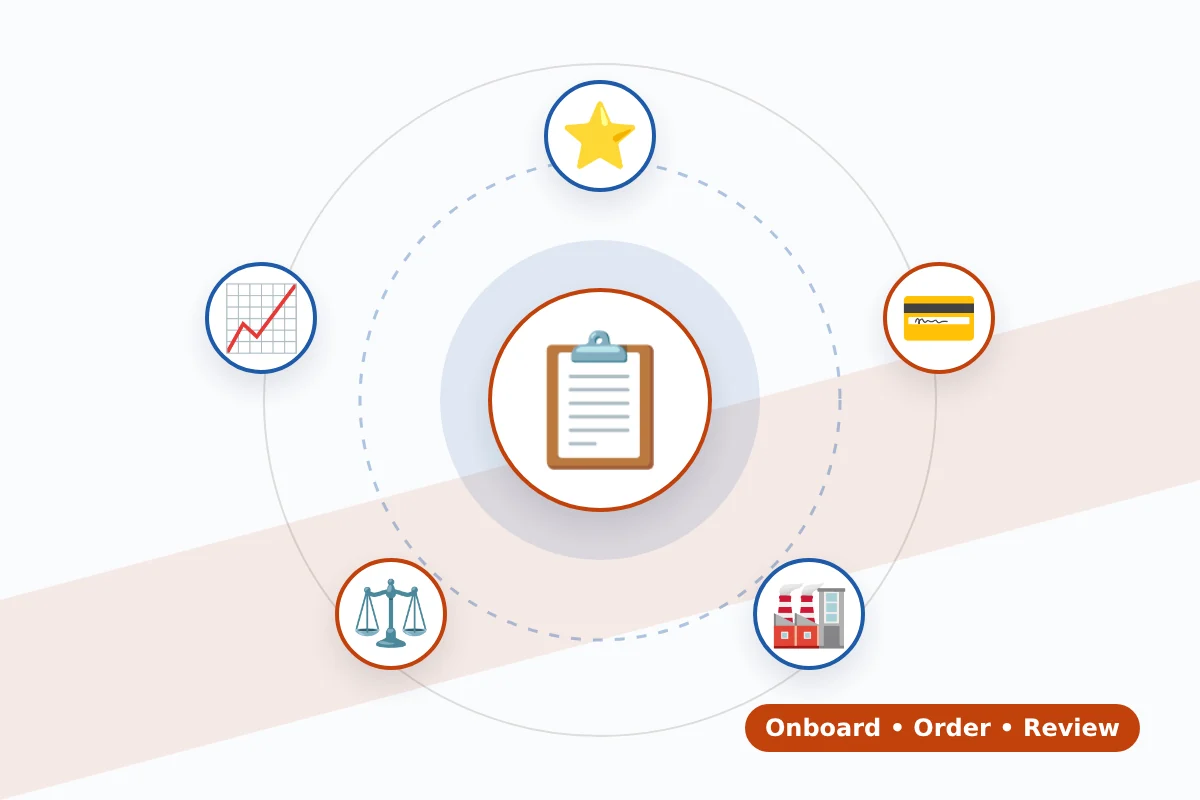
Review performance, not just price
Once or twice a year, score key vendors on quality, on-time delivery, responsiveness and documentation. Share the score with the vendor. Good suppliers welcome clear feedback, and weak ones show their attitude quickly.
Avoid depending on a single vendor for anything critical. A second approved source keeps negotiations honest and protects you during disruptions.
Pay on time and earn priority
Vendors notice which customers pay as agreed. Paying on schedule often earns better rates, priority during shortages and flexibility in emergencies. Micro and small enterprise suppliers registered under Udyam also have statutory payment protections, so plan cash flow accordingly; see the Ministry of MSME for details.
From vendor to partner
The best supplier relationships become partnerships: joint planning, shared forecasts and continuous improvement. Process design and vendor policy support is available from ATTPL Consultancy, and supplier and customer records can be organised in ATTPL CRM.
The Chairman's takeaway
Onboard vendors properly, insist on purchase orders, review performance openly and pay on time. Treat good suppliers as partners and they will protect your business when it matters.
Frequently asked questions
What is three-way matching?
Checking the purchase order, the goods receipt or service confirmation and the vendor invoice against each other before payment.
How many vendors should a small business keep for one item?
For critical items, at least two approved vendors; for minor items one reliable vendor is usually enough.
Should vendor performance be shared with the vendor?
Yes. Transparent feedback improves service and makes renewal or replacement decisions easier to explain.
Sources
This article is general information and a leadership perspective. It is not legal, financial, tax or investment advice. Please consult a qualified professional for your situation. Facts and figures are taken from the public sources listed above and may change.

Ashok Godara
Founder, Chairman & Managing Director, ATTPL HOLDCO / ATTPL GROUP, Jaipur, Rajasthan, India.
More from Ashok Godara
The Statutory Compliance Calendar: How Founders Keep Every Deadline Under Control
A practical guide for founders on building a statutory compliance calendar for GST, TDS, PF/ESI, ROC and licence renewals, with clear owners, reminders and review routines.
Read the articleStrategic Partnerships and Joint Ventures for SMEs
How Indian SMEs can approach strategic partnerships and joint ventures: choosing partners, structuring deals, governance and planning exits early.
Read the articlePricing Strategy for Indian SMEs: Beyond Cost-Plus
A practical pricing guide for Indian SMEs: knowing true costs, customer value, competitor prices, discount discipline, price increases and margins.
Read the article