
Sustainability as Strategy for Growing Indian Businesses
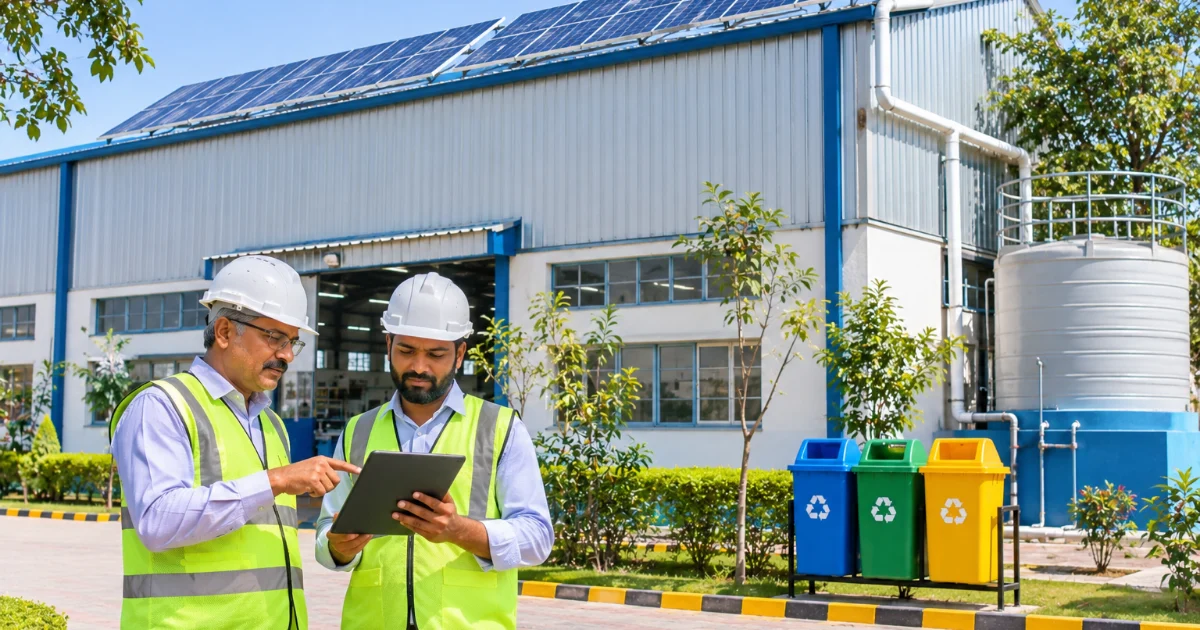
For many years, sustainability was seen in India as something only large corporations could afford. That view is changing fast. Rising energy costs, water stress, customer expectations and new reporting norms mean that growing businesses of every size are being asked how they use resources. The companies that treat sustainability as part of strategy — not a separate cost — often find that it lowers expenses, reduces risk and opens doors to new customers.
Why it matters for growing companies
- Energy and water are rising costs; using less directly improves margins.
- Large buyers increasingly ask suppliers about emissions, safety and labour practices.
- Lenders and investors look at environmental and governance risks.
- Young employees prefer companies with a clear sense of responsibility.
Listed companies in India already follow business responsibility and sustainability reporting requirements, and these expectations often flow down to their suppliers.
Start with energy
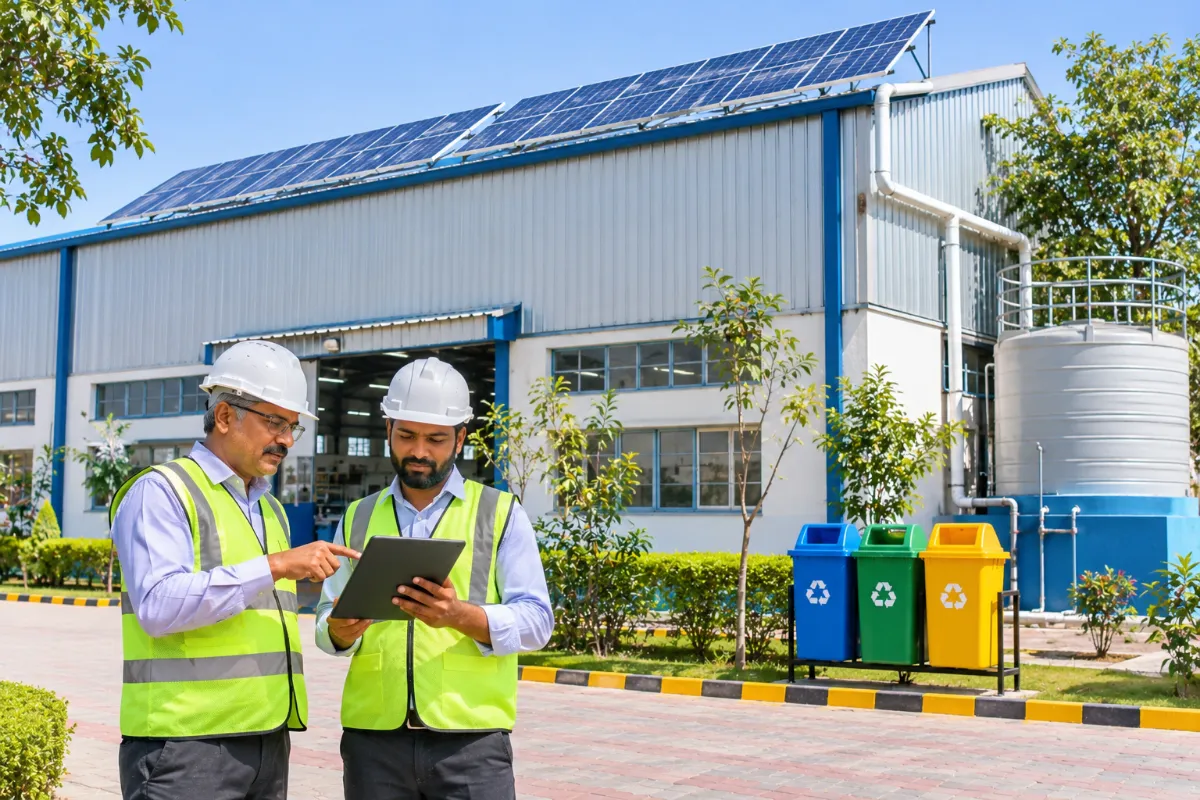
Energy is usually the easiest place to begin. An energy audit can identify waste in motors, compressors, lighting and air conditioning. Rooftop solar can reduce electricity bills for factories, warehouses and offices with suitable roofs. India's rapid growth in rooftop solar, which we discussed in [50 lakh solar homes](/insights/50-lakh-solar-homes-what-indias-rooftop-milestone-means-for-business), shows how mainstream this has become. ATTPL Solar works on commercial and industrial rooftop solar.
Water, waste and materials
In water-stressed regions like Rajasthan, rainwater harvesting, water recycling and efficient processes protect operations against shortages. Waste segregation, recycling and reducing packaging lower disposal costs and sometimes create small income streams. Choosing durable materials and efficient designs when building new facilities pays off for decades; ATTPL Infra covers construction planning for such projects.
Measure what you manage
Sustainability efforts fail when they are not measured. Start with a few simple indicators — electricity use per unit of output, water use, waste generated, safety incidents — and track them monthly. Good data also prepares the company for customer questionnaires and future reporting. Digital tools make tracking easier; our article on [AI adoption for Indian enterprises](/insights/ai-adoption-for-indian-enterprises-a-practical-checklist-for-2026) discusses practical technology steps.
Make it part of leadership
- Assign clear ownership for sustainability to a senior leader.
- Include resource efficiency targets in annual plans and budgets.
- Discuss progress at board or management meetings.
- Communicate honestly — avoid exaggerated claims.
Sustainability is a long journey. Companies that begin with practical, measurable steps and report honestly on their progress build credibility with customers, employees and communities.
The Chairman's takeaway
Treat sustainability as strategy: start with energy and water savings, measure a few key indicators, give it senior ownership and communicate honestly.
Frequently asked questions
Is sustainability only for large companies?
No. Energy, water and waste savings benefit businesses of every size, and large buyers increasingly expect suppliers to show responsible practices.
What is the easiest first step?
An energy audit, followed by efficiency improvements and, where suitable, rooftop solar, usually gives quick and measurable savings.
How should a growing company measure sustainability?
Track a few simple indicators monthly, such as electricity and water use per unit of output, waste generated and safety incidents.
Sources
This article is general information and a leadership perspective. It is not legal, financial, tax or investment advice. Please consult a qualified professional for your situation. Facts and figures are taken from the public sources listed above and may change.

Ashok Godara
Founder, Chairman & Managing Director, ATTPL HOLDCO / ATTPL GROUP, Jaipur, Rajasthan, India.
More from Ashok Godara
50 Lakh Solar Homes: What India's Rooftop Milestone Means for Business
MNRE reported over 50 lakh households under PM Surya Ghar in August 2026. Ashok Godara on what the milestone means for homes, factories and Rajasthan.
Read the articleJaipur Metro Phase-2: Building the City Around the Corridor
A 41 km, INR 13,037 crore corridor was approved in April 2026. What Jaipur's businesses, builders and investors should prepare for, by Ashok Godara.
Read the article